
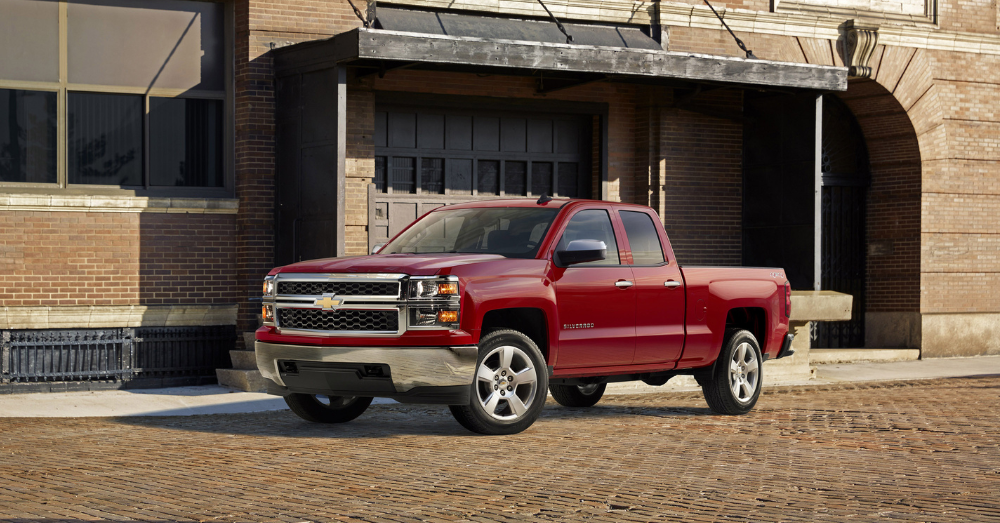
Most truck buyers never think twice about what goes into their fuel tank. Gasoline or diesel, pick one, and move on. But Chevrolet threw a curveball back in 2015 with a factory-backed pickup that burns compressed natural gas, and it deserves a closer look even a decade later.
- The 2015 Chevy Silverado 2500HD CNG runs on both gasoline and compressed natural gas using a bi-fuel 6.0L V8 engine with a combined range of roughly 650 miles.
- CNG fuel costs about one-third less per gallon equivalent than regular gasoline, making it a smart pick for fleets and high-mileage drivers.
- Compressed natural gas produces around 20% fewer greenhouse gas emissions at the tailpipe compared to gasoline, along with fewer smog-related pollutants.
What Exactly Is a CNG Vehicle?
CNG stands for compressed natural gas, stored under high pressure (around 3,600 PSI) inside heavy-duty fuel tanks. Vehicles running on CNG work a lot like their gasoline-powered cousins, using the same spark ignition setup. Behind the wheel, the experience feels almost identical. The biggest difference? CNG burns cleaner, producing roughly 20% fewer greenhouse gas emissions and up to 75% fewer non-methane hydrocarbon emissions compared to gasoline.
Around 23 million CNG vehicles operate worldwide today, mostly in commercial and municipal fleets. Fuel runs about one-third less than gasoline per gallon equivalent, and because it burns so clean, engines go longer between oil changes.
How Chevy Built a Better Work Truck
Chevrolet debuted the Silverado 2500HD CNG at the 2015 Chicago Auto Show. This wasn’t some aftermarket hack job. GM coordinated the entire process, shipping trucks with a modified 6.0L Vortec V8 engine to an authorized tier-one supplier who installed the CNG fuel system. Dealers then sold the trucks like any other factory-optioned vehicle, complete with GM’s five-year, 100,000-mile powertrain warranty covering the CNG components.
Under the hood, hardened valves and valve seats handle the demands of natural gas fuel. Running on gasoline, it puts out 360 horsepower and 380 lb-ft of torque. Switch over to CNG, and those numbers drop to 301 horsepower and 333 lb-ft of torque. Why the drop? EPA emissions tuning, not any flaw in the fuel itself.
Living With the Bi-Fuel Setup
What makes this truck so practical is the bi-fuel design. You’re never stuck hunting for a CNG station because the Silverado switches between fuels with the tap of a button on the center console. When the CNG tank runs low, the system automatically switches back to gasoline. With both tanks full, the truck covers about 650 miles before needing any fuel stop, which puts range anxiety to rest.
Mounted in the truck bed, the CNG tank sits inside a sturdy black enclosure that looks like an oversized toolbox across the front of the bed. It holds roughly 12 to 13 usable gasoline gallon equivalents (GGE), good for about 140 to 150 miles of CNG-only driving. After that, the 36-gallon gasoline tank picks up the slack. Filling up with CNG is quick. You snap the pump’s round connector onto the tank’s receptacle, and pressurized fuel flows in within about a minute.
One quirk worth knowing: the engine always starts on gasoline first, then switches to CNG. So you can’t let the gas tank run completely dry, or the truck won’t restart. A small trade-off, but something owners need to keep in mind.
Who Actually Benefits From CNG?
Fleet operators get the most out of this setup. Companies and municipalities running dozens of trucks can install their own CNG fueling stations and watch the savings pile up. When you’re buying fuel at roughly $2.50 per GGE compared to $3.50 or more for gasoline, the $9,500 CNG option pays for itself quicker than you’d expect on trucks logging 30,000 miles a year.
Individual buyers face a tougher calculation. CNG retail stations exist, but they’re scattered. Mobile apps like CNG Fuel Finder help locate pumps, and the network has grown since 2015, but it’s nowhere near as convenient as pulling into any gas station. If your daily routes keep you near reliable CNG access, though, the savings add up over time.
Specs That Matter for Daily Use
Beyond the fuel system, the 2015 Silverado 2500HD is a capable three-quarter-ton workhorse. It tows up to 13,000 pounds and comes with a six-speed automatic transmission, a 4.10 rear axle, and your choice of two-wheel or four-wheel drive. Chevy offered the CNG option across all cab configurations on both the 2500HD and 3500HD with single rear wheels.
Interior comfort holds up well too. Go with the LT trim and you get heated power front seats, GM’s MyLink infotainment system with navigation, and Bluetooth hands-free calling. Reviewers consistently praised the quiet ride and smooth handling, noting that on CNG the truck drove nearly identically to its gasoline-only counterpart.
A Truck Ahead of Its Time
Looking back, the 2015 Silverado 2500HD CNG deserved way more attention than it got. While electric pickups grab today’s headlines, CNG offered practical benefits that still make sense for certain buyers. Cleaner emissions, lower fuel costs, and the security of a bi-fuel system that never leaves you stranded. For fleet managers and high-mileage drivers who can access CNG fueling, these trucks remain a smart choice on the used market. Sometimes the best ideas don’t need a charging cable.