Not every truck shopper lands on your website by accident. Some of them have already decided what they want, and they’re telling you exactly that with the words they type into Google. The dealerships that know how to meet those shoppers where they are tend to win the sale. The ones that don’t lose leads to competitors who do.
- Search phrases that include a specific model, trim, or task signal strong buying intent and deserve their own dedicated landing pages rather than generic inventory pages.
- Content that directly mirrors the shopper’s language builds trust faster and reduces the chance they’ll click back and try someone else.
- Pairing the right calls to action with high-intent pages can turn a casual browser into a phone call, form fill, or showroom visit within the same session.
What High-Intent Searches Actually Look Like
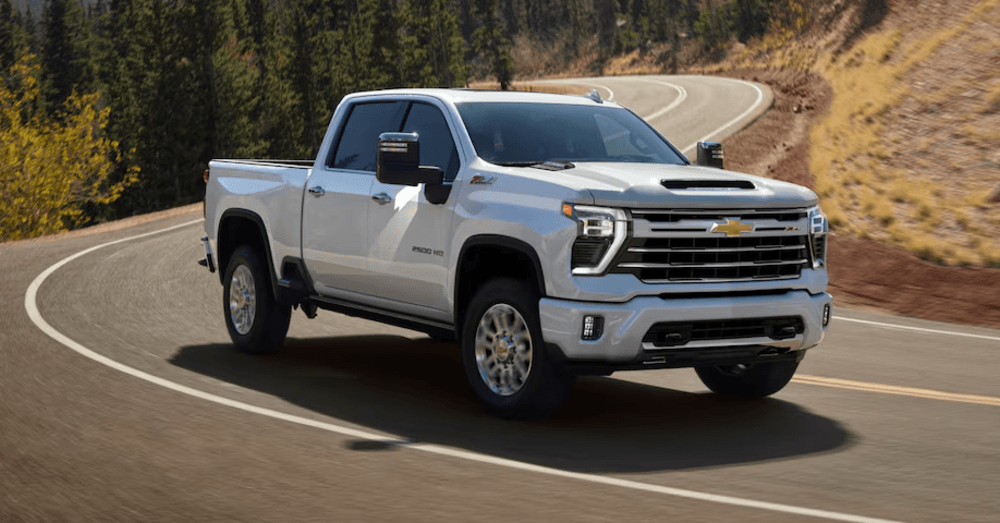
There’s a big difference between someone searching “pickup trucks” and someone searching “chevy 2500 HD for sale near me.” The first person is still early in the process. They might be curious, comparing options, or just browsing on a lunch break. The second person has done the research, picked the truck, and is now looking for a place to buy it.
High-intent searches almost always include one or more of these signals: a specific model name, a model year, a trim level, a task-based qualifier like “towing” or “diesel,” or a transactional phrase like “for sale,” “price,” or “near me.” When shoppers string those details together, they’re sending a clear signal. They’re not shopping anymore. They’re buying.
The problem is that a lot of dealership websites aren’t built to catch those searches. Generic inventory pages and broad homepage copy don’t match the specificity of what the shopper typed. Search engines notice that mismatch. So do the shoppers.
Build Pages That Speak the Buyer’s Language
Capturing high-intent traffic starts with landing pages that reflect the exact language buyers use. That means writing page titles, headings, and body copy around the search phrase itself, not around the spec sheet alone.
A page targeting diesel truck buyers should lead with diesel capability, towing numbers, and fuel comparisons. A page targeting work truck buyers should focus on payload, upfitting options, and fleet-friendly financing. A page built around a specific trim search should spell out what separates that trim from the rest of the lineup and why it’s worth the price.
Long-tail search phrases convert at a higher rate than broad terms because they reflect what the buyer has already decided. When the page answers that specific question instead of giving a generic vehicle overview, the shopper feels like they landed in the right place. That feeling keeps them on the page and pushes them toward a next step.
Don’t Forget the Blog
Inventory pages handle transactional searches well, but blog posts can capture buyers earlier in the decision loop and warm them up before they ever hit your VDP. A post walking through the differences between the regular and heavy-duty versions of a popular truck, or explaining how a specific payload rating translates to real-world hauling, gives the shopper something useful while quietly positioning your dealership as the place to buy.
These articles also rank for the kind of research-phase queries that don’t show up in standard inventory searches. Shoppers ask things like “is the 2500HD worth the extra cost” or “best diesel truck for a fifth wheel” long before they’re ready to start a price negotiation. A well-written post that answers those questions honestly tends to earn more trust than a page that’s clearly just trying to sell something.
The CTA Has to Match the Moment
One of the most common places dealerships lose high-intent visitors is the call to action. A shopper who’s already decided on a truck doesn’t need to be told to “learn more.” They need to know how to schedule a test drive, check live inventory, or get a quick price quote.
Match your CTA to where the buyer actually is. Transactional pages should have transactional CTAs. “Check availability,” “get your quote,” and “schedule a test drive today” all convert better on high-intent pages than softer options. Make those buttons easy to find, and make sure the page they click through to doesn’t start the research process over from scratch.
Where the Easy Wins Are Hiding
Pull a report from your Google Search Console and look at what phrases people are already using to find your inventory pages. You’ll almost always find a handful of specific, high-intent phrases that are getting clicks but landing on pages that weren’t built for them. Building a page around those phrases, or even just updating existing content to better match the language, can move the needle without a major overhaul.
Truck buyers are some of the most research-driven shoppers in the market. They spend months reading forums, watching videos, and comparing specs before they ever contact a dealer. By the time they type something specific into a search bar, they’ve already done the work. Your job is to make sure your site is waiting for them when they do.