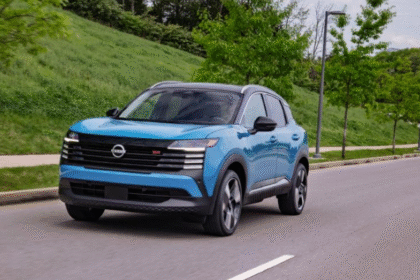
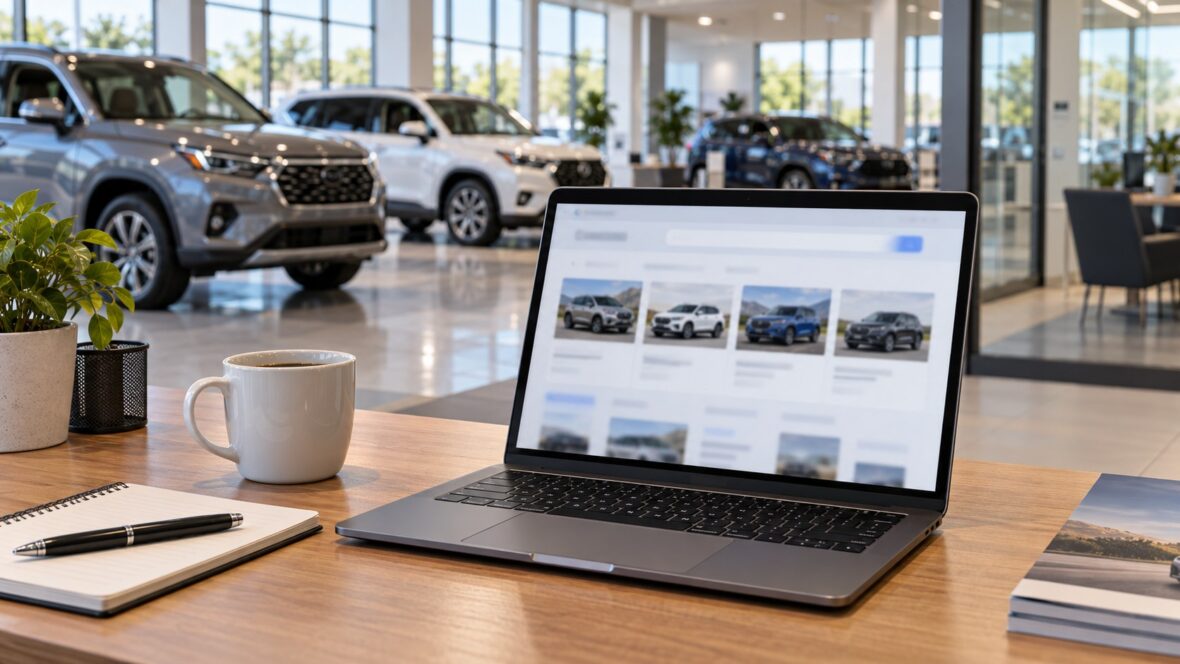
Google just gave car brands a bigger showroom window inside search results. A new beta lets vehicle manufacturers attach model cards with photos and prices to their search ads. That change lands right where dealership paid search teams spend a big chunk of their budget.
- Google Ads is testing automotive model feeds that let automakers add model images and pricing to search ads.
- The beta is open only to manufacturers in four countries, so dealers can’t run it themselves.
- Dealers can still come out ahead by keeping vehicle listing ads, inventory feeds and local campaigns in sync with what the brand promotes.
What Google Rolled Out for Car Brands
In mid October 2026, Google Ads introduced automotive model feeds for vehicle manufacturers. The idea is simple. A brand uploads a feed of its models, and Google can pair a regular search ad with cards that show each model’s photo and price. Shoppers see the lineup before they ever click.
For now, it’s a beta. Access is limited to manufacturers in four countries, and the format is aimed at the brand side of the business rather than individual stores. Google’s Merchant Center documentation also describes limited build-to-order vehicle ads in nine named markets, each with its own eligibility rules. Both moves point the same way. Google is pulling more structured car data into its ads, straight from the people who build the cars.
How Brand Model Data Could Show Up Near Your Ads
Picture a shopper typing a broad search about family hybrids. If an automaker like Kia joined the beta, its search ad could carry cards for the models it’s pushing hardest. Kia’s September 2026 campaign, Hybrids That Move to a New Beat, put the 3-row Telluride, the Sportage Hybrid and the Carnival MPV front and center. A lineup like that is exactly what a brand would want in front of searchers with photos and prices attached.
For dealers, the top of the results page may get busier and more visual on model searches. The brand answers the early questions about looks and price. Your job moves to the next question, which is where to find that vehicle nearby and how soon someone can drive it.
That could also change how your model name keywords perform. Keep an eye on click-through rates and cost per click for those terms once brands start using the format. If model terms soften, it may make sense to move budget toward searches with clear local or inventory intent.
Lining Up Inventory and Local Campaigns
Dealers already have a visual format of their own. Vehicle listing ads are inventory-based ads that show individual cars from your lot in a carousel on Google Search. Access keeps opening up, too. In Germany, vehicle ads opened to all dealers in July 2026 after a closed test phase wrapped up.
A few steps make sense for paid search teams right now:
- Keep your inventory feed clean and current, so the models a brand promotes actually appear in your listing ads.
- Watch which models the manufacturer features and make sure your local campaigns cover those same names.
- Write copy that leans into local intent, like nearby availability and easy test drive scheduling, since a brand ad won’t speak to that.
- Review your store details in Merchant Center. Google added a new store address attribute for local inventory the same week, so it’s a good time to confirm your local listings point to the right location.
Don’t forget the pre-owned side of the lot. If a shopper sees a new Sportage Hybrid card with a price, they might decide to compare it against a used Kia at a local store before committing. When your used inventory feed and search terms are ready for that comparison, you can pick up the shopper the brand ad already warmed up.
Get Your Feeds Ready Before the Beta Grows
Automotive model feeds are a manufacturer tool for now, and they’re limited to a small group of countries. Still, they show where Google is heading. Car searches are getting more visual and more data driven, with brands and dealers each supplying their own piece of the picture. Dealers who keep inventory feeds accurate, match brand priorities in local campaigns and give shoppers a clear reason to visit will be in good shape whether or not this beta expands.